Australia's trusted provider of injury prevention, workers compensation services and evidence-based rehabilitation.



.webp)



Blog

August 6, 2026
•
5 min
 Proudly Australian Owned and Operated
Our team will email your tailored quote, usually within one business day. If it's urgent, call us on 1300 663 155.
Something went wrong sending your request. Please try again or call 1300 663 155.













.webp)






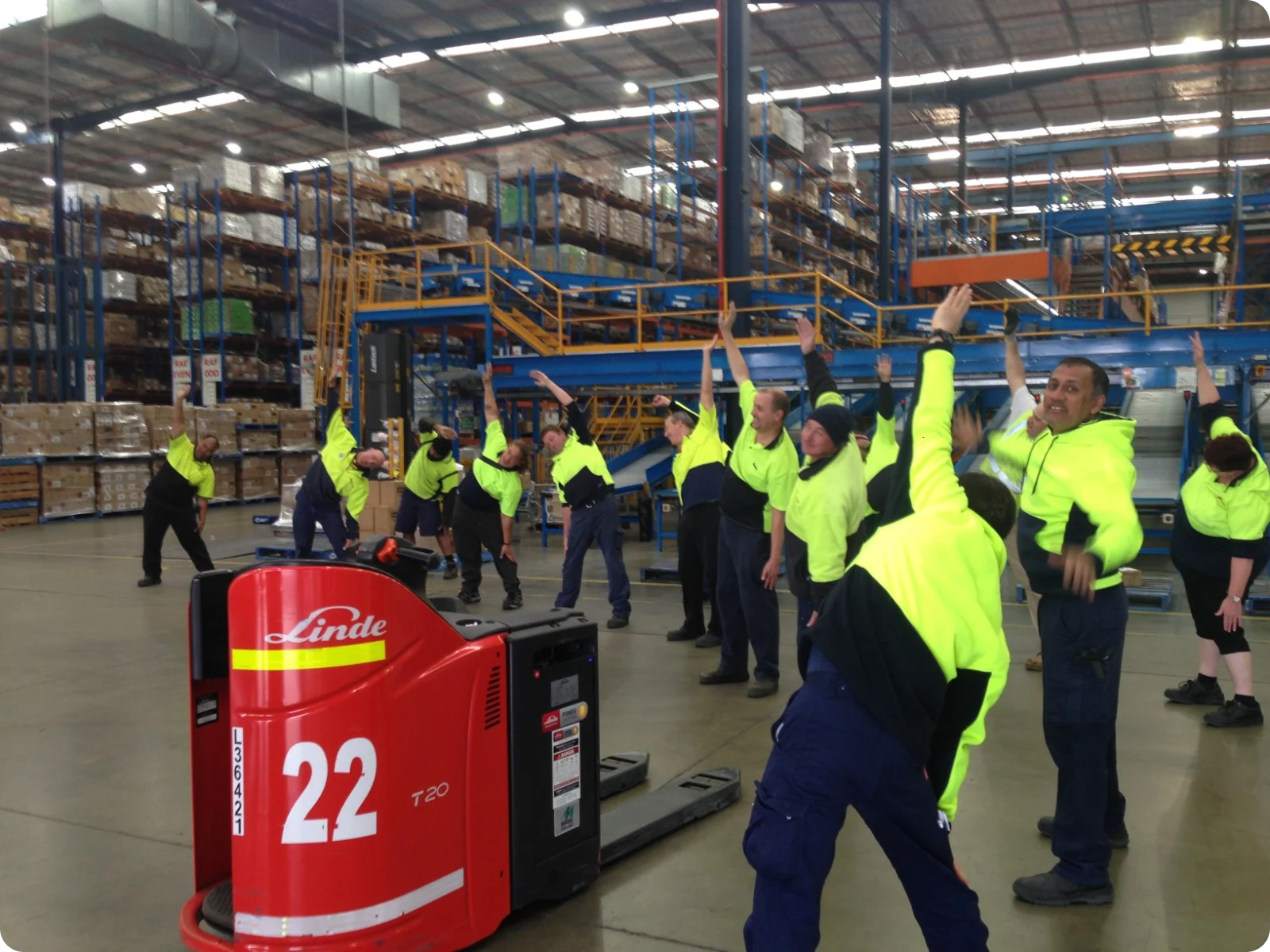
Your organisation deserves more than a one-size-fits-all approach to employee wellbeing and injury management.
We tailor every strategy to your organisation's size, industry, and risk profile. Coupling this with your organisational values empowers you to mitigate risk in the most innovative and efficient way possible.
No workplace health or safety solution should operate in a silo.
Your dedicated Actevate advisor ensures every program is integrated across your workforce, aligning risk prevention, wellbeing, and recovery initiatives so your team benefits from a holistic approach.
Our reporting and insights give you a clear view of program outcomes, allowing you to monitor improvements and return on wellness.
By making outcomes visible, we help you make informed decisions and continuously improve your workplace health strategy for lasting results
We work alongside management and employees as an extension of your team.
We embed a culture of responsibility, resilience, proactive health, helping your organisation respond to challenges effectively while fostering long-term employee wellbeing and retention.
“We have thoroughly enjoyed working with Actevate who have always been willing to accommodate our every request”
Daniel Manoukian
“We loved learning how we can we train the specialists to confidently ask the sensitive questions.”
Julie Park Catholic
“Actevate’s mental health training was informative, comprehensive and practical. All of our attendees had fantastic feedback”

Deborah Carew Manager
“Actevate really get where our risks are and we wouldn’t take anyone unless they were screened by Actevate first."

David El-Bayeh
“Actevate trainers are both knowledgeable and engaging, which enables our sessions to be interactive, informative and fun.”
Daniel La Greca
.webp)
.svg)

Bob Smith